


.jpg)
Iran-Uzbekistan agricultural trade can triple within 2 years: Agriculture Minister
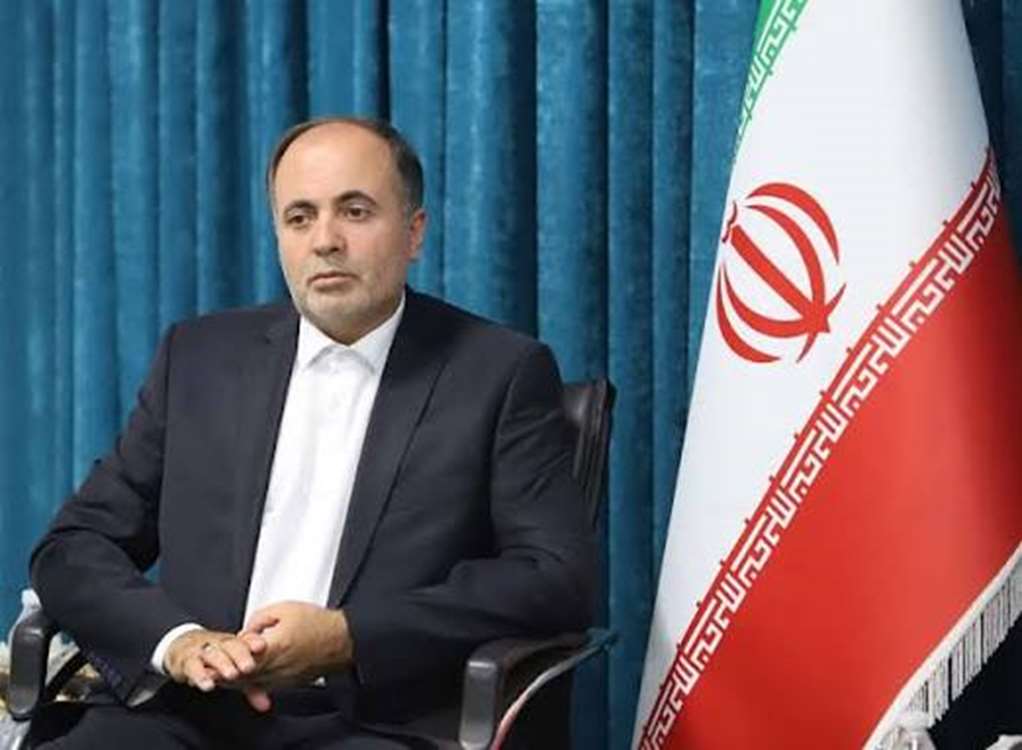
Tashkent - Iranian Minister of Agriculture Gholamreza Nouri said agricultural trade between Iran and Uzbekistan, currently valued at around $200 million, could increase to at least $600 million within the next two years by leveraging existing capacities and strengthening bilateral cooperation.
Speaking at the Iran-Uzbekistan Agricultural Cooperation Conference in Tashkent, attended by the two countries’ agriculture ministers, Iran’s ambassador and the heads of the Iranian and Uzbek chambers of commerce, Nouri highlighted the significant potential for expanding agricultural ties between the two countries.
He said Uzbekistan has taken important steps through economic and agricultural reforms, including moving from a monoculture-based production system toward greater diversification, developing modern horticulture and expanding agricultural exports.
Iran, meanwhile, has extensive experience and capabilities in knowledge-based agriculture, water and soil resource management, agro-processing industries, agricultural machinery, pharmaceutical and vaccine production, livestock breeding, agricultural inputs and biological pesticides, he said.
Nouri said Iran and Uzbekistan’s shared potential within the Shanghai Cooperation Organization and regional agreements could help reduce trade and technical barriers, harmonize standards and establish advanced agricultural production and trade chains.
Iran is prepared to share its agricultural expertise through pilot farms, joint investment projects and cooperation between companies and private-sector actors in both countries, he added.
The minister also identified improved access to export markets, greater use of Iran’s southern ports, facilitating Uzbek agricultural exports to regional markets, and removing technical and sanitary barriers as key areas for cooperation.
He proposed establishing a customs green lane, coordinating agricultural standards and accelerating sanitary and phytosanitary approvals to minimize the time agricultural shipments spend at border crossings.
Nouri also called for payment mechanisms using national currencies and barter arrangements for the exchange of engineering services and products, alongside tariff reductions, to facilitate bilateral trade.
Iran produces around 138 million tons of agricultural products annually and meets an average of 85 percent of its domestic food needs through local production, he said, adding that this capacity provides a strong foundation for expanding agricultural trade and cooperation with regional countries.
Nouri expressed confidence that, given the growing momentum of bilateral cooperation and existing capacities, agricultural trade between Iran and Uzbekistan could reach at least $600 million within two years.
He also reaffirmed the Iranian government’s support for private-sector cooperation and joint investment, saying Iran would support the participation of economic and private-sector actors across the agricultural and food value chains and the expansion of joint activities between the two countries.


comment please